

Reese Witherspoon Didn't Take The Help She Got With Her 'Really Bad' Postpartum Depression For Granted
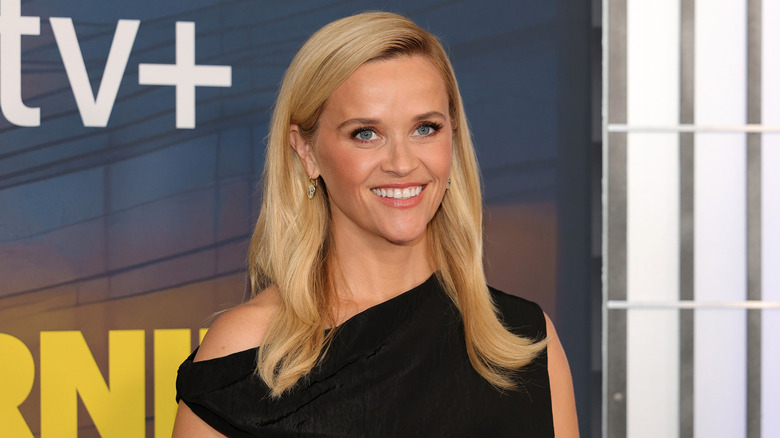
Little by little, the veil is being lifted off topics that were once considered taboo, like postpartum depression. It's not always just a brief phase — sometimes the situation is much more serious and requires actual treatment. As something many new moms experience, but don't necessarily feel comfortable talking about, it's encouraging when celebs open up about their own relatable experiences.
Harper's Bazaar interviewed Reese Witherspoon in 2025, and the "Legally Blonde" star spoke about feeling overwhelmed and dealing with postpartum depression following the birth of her first child, Ava, with ex-husband Ryan Phillippe. "It's hard being a young mom and having people tell you how to be, how to react, how to give birth, how to nurse and how to feed your baby," Witherspoon told the magazine. What she experienced was far more than just being down in the dumps. "It was really bad. In the first six months, I was simultaneously happy and depressed. I just cried all the time, I was up all night, I was exhausted. It was a hormone drop I didn't expect, which I experienced right after birth and again when I stopped nursing six months later."
Thankfully, Witherspoon sought the ear of a good friend who pushed her to get professional help — an example of one of the ways to support a loved one who is a new parent. The actor spoke about how fortunate she was to be able to get the assistance she needed. "I had connections and the means to get to a doctor, a mental-health specialist, but a lot of people don't. They struggle on their own and hide it." Witherspoon's access to mental health resources is an important part of what helped her get better.
The struggles Reese Witherspoon faced during her postpartum period are common
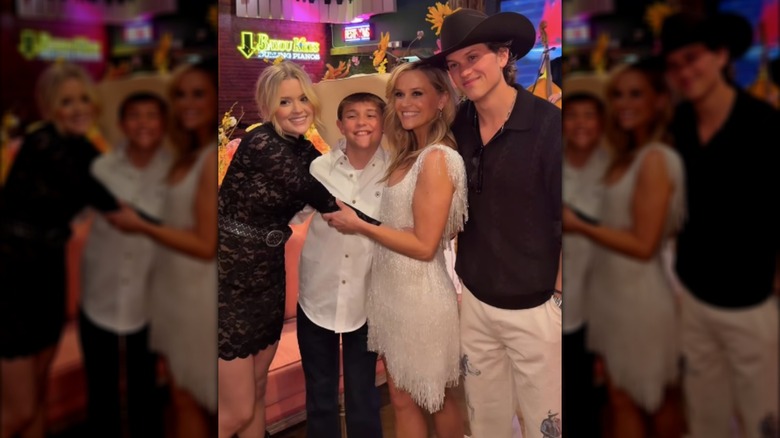
Reese Witherspoon isn't alone in her experience. According to the Cleveland Clinic, up to one in seven women will experience postpartum depression. Symptoms can appear quickly after birth or compound gradually, even up to one year later. New moms should consider seeking medical help if they're feeling extreme sadness or anxiety, difficulty focusing, a loss of interest in hobbies, or a lack of interest in the baby — among other symptoms. Of course, having a partner who can help you through postpartum depression is very helpful, but that shouldn't deter anyone from getting professional help if they're really struggling.
For some, it's all just one chapter in their motherhood journey, but for other women, it's a bigger concern. The risk of postpartum depression may be one of the contributing factors for many women who have decided to opt out of kids. But even for those who don't have children in their future, it's encouraging to see stars like Reese Witherspoon get honest and break down the stigma surrounding postpartum depression.
If you or someone you know needs help with mental health, please contact the Crisis Text Line by texting HOME to 741741, call the National Alliance on Mental Illness helpline at 1-800-950-NAMI (6264), or visit the National Institute of Mental Health website.